


About Ulaanbaatar
Cosmopolitan Capital. The country's economic, political, and cultural center hosts international chain hotels, food franchising, and busy nightlife.
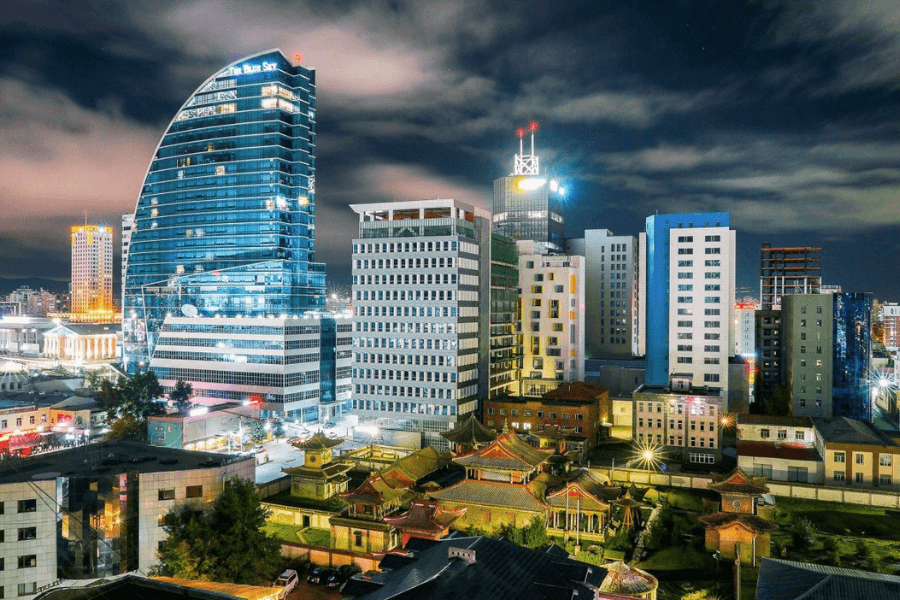
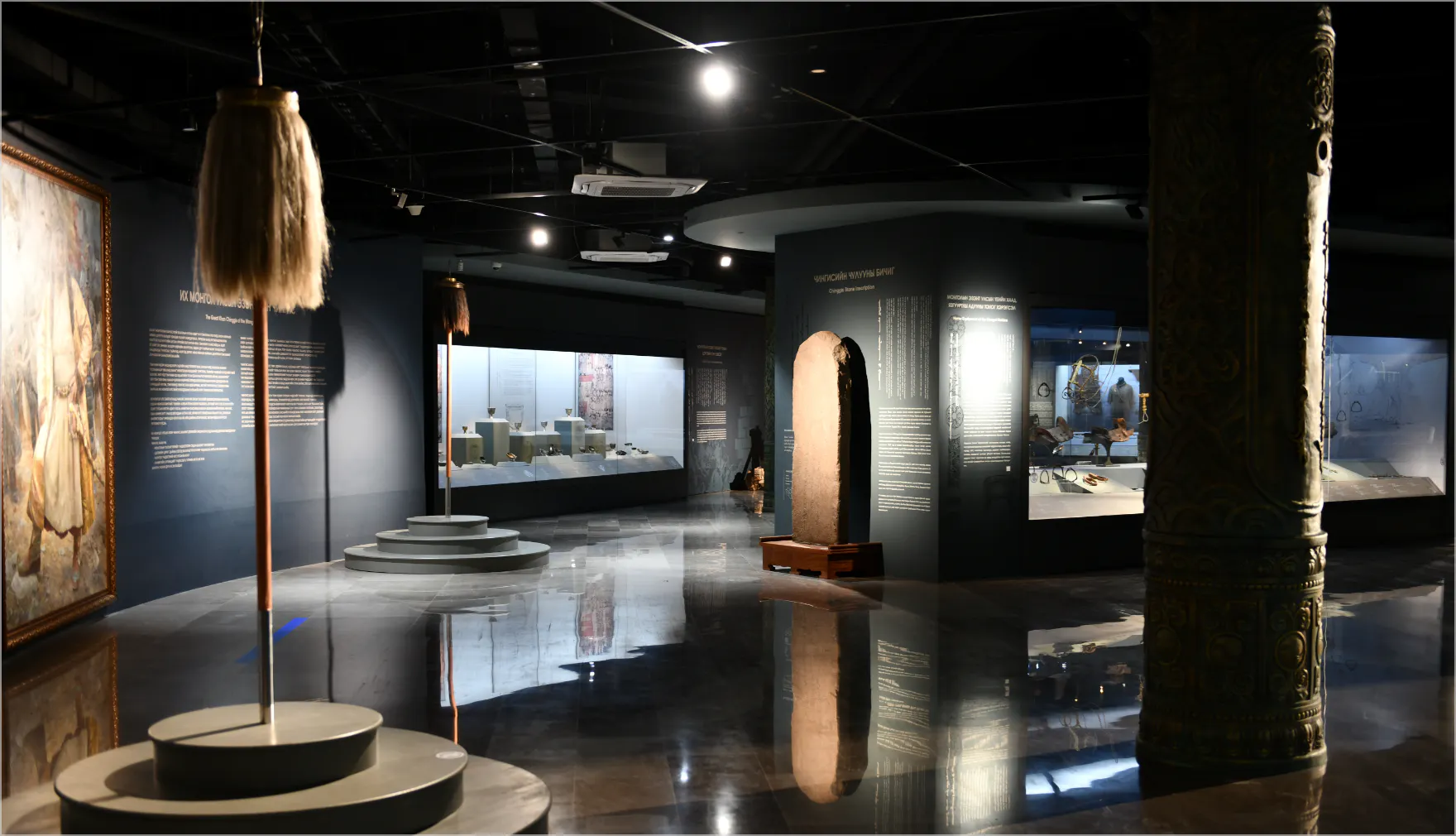
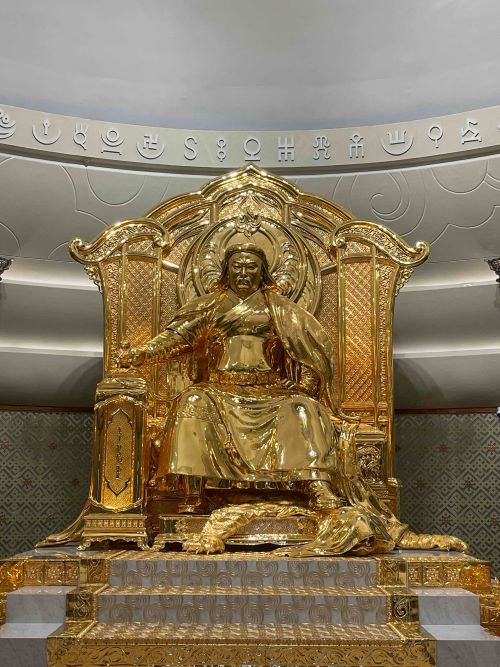
Regarded as one of the peaceful cities in Asia-Ulaanbaatar may be the last surviving city from nomadic civilization transforming into a modern city
Ulaanbaatar also known as Ulan Bator or simply just UB, is the capital of Mongolia. With a population of around 1.3 million, it is the largest city in Mongolia, standing as its political, commercial, industrial, and cultural hub. For business and pleasure trips alike, you will find yourself coming to the city at least once. Knowing and exploring the city properly can help you understand the country’s history and its wonderful people. One will often see the past and the present are still living side by side.
The city is officially divided into 9 districts with 7 of them located within or around the city area. Nalaikh and Baganuur are the two districts that have their own city infrastructure located within a 138 km radius of the city. Both of these cities are located on the east side of UB and were originally built as mining towns. On any eastbound journeys, travelers will find themselves stopping traveling through these cities. In the capital city, the four original districts are Sukhbaatar, Songino Khairkhan, Bayanzurkh, and Bayangol where the majority of the city population lives today. Most downtown premises are located in the Sukhbaatar district.
History of Ulaanbaatar
In the history of the Mongolian people, there have been several well-known cities built as capital cities such as Kharakhorum during the 13th century Great Mongolian Empire. But none of them survived as an active capital city until the 16th century. With the active introduction of Lamaism in Mongolia in the 16th century, permanent monastic establishments started to emerge when Tibetan Buddhism flourished. The most important of such settlements was the residency palace of Mongolia’s first spiritual leader named Zanabazar or Jebtsundamba Khutuktu in the year 1649. The year is now considered as the founding date of Mongolia’s modern capital city, Ulaanbaatar. The city was first named Ikh Khuree, literally meaning “large circle” as the city was circular shaped. After changing locations in the central part of Mongolia over 20 times, it settled at its current location in the year 1778.
Much of the modern architecture of Ulaanbaatar started to shape in the 20th century with the influence of Russian architecture. The modern-day UB showcases a mix of Soviet architecture, ger settlements, Buddhist monasteries, and 21st-century high rises.
City Orientation
Travelers who take the time to get to explore the city will discover a hospitable and warm-hearted people. The demographics of city are divided into two major parts. One part of the population lives in condominiums in the central part of the city while the majority of the population lives in what is called as ger districts. These districts, traditionally a home to many of the city’s blue and white collared workers, became lately a home to many migrating ex-nomads who in recent years have come to the city to find work after severe winters have killed their livestock.
Peace Avenue (Enkh Taivny Örgön Chölöö) is the main street and it stretches from east to west through the center. It's the main shopping street and many of the restaurants are found alongside it. The street also passes by the southern edge of the central square, Chinggis Square. Tourist Information Centers are located on the first floor of Ulaanbaatar Bank Small Ring#15 and at Seoul Street.